

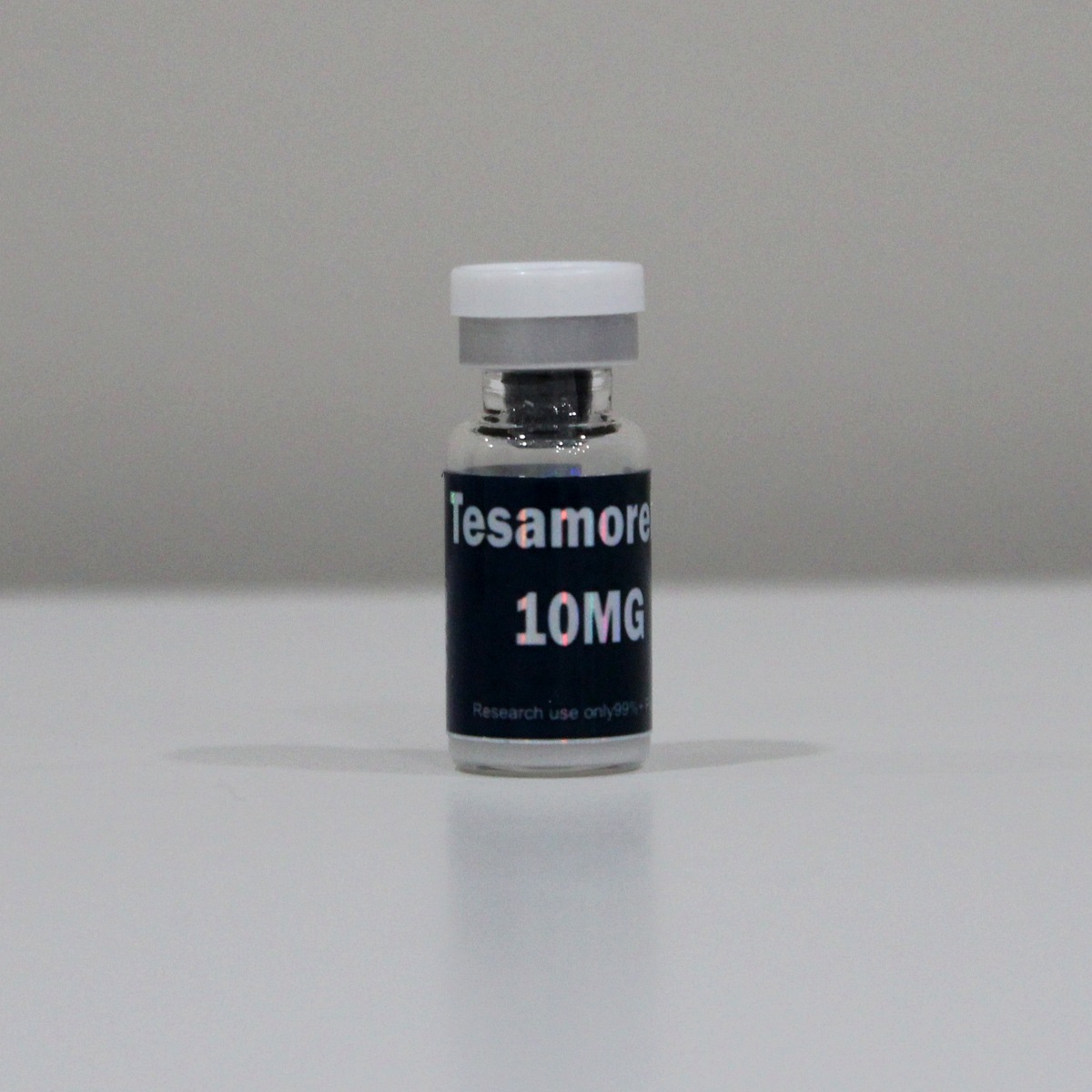
Tesamorelin 10mg Research Peptide: Mechanism, Benefits, and Scientific Overview (2026)
Explore Tesamorelin 10mg research peptide, a GHRH analog studied for growth hormone signaling, visceral fat metabolism, and endocrine research. For laboratory use only.
Introduction
Tesamorelin is a synthetic peptide that has gained significant attention in metabolic and endocrine research due to its role in stimulating natural growth hormone pathways. As a growth hormone-releasing hormone (GHRH) analog, it is widely studied in laboratory environments for its effects on growth hormone secretion and downstream metabolic processes.
Tesamorelin 10mg research peptide is commonly used in controlled scientific studies exploring how the body regulates fat metabolism, hormonal balance, and energy distribution. Because of its unique mechanism of action, it has become one of the most important compounds in growth hormone axis research.
This article explains what Tesamorelin is, how it works, and why it is widely studied in modern peptide science.
What Is Tesamorelin?
Tesamorelin is a synthetic 44-amino-acid peptide analog of growth hormone-releasing hormone (GHRH). It is designed to mimic the body’s natural GHRH while offering improved stability and extended biological activity in research settings.
In laboratory research, Tesamorelin is studied for its ability to:
- Stimulate pituitary growth hormone release
- Activate endogenous GH signaling pathways
- Influence IGF-1 production
- Support metabolic regulation research
The 10mg research format is commonly used in experimental studies requiring precise dosing and reproducibility.
Mechanism of Action (How Tesamorelin Works)
Tesamorelin works by binding to growth hormone-releasing hormone receptors (GHRH-R) located in the anterior pituitary gland.
Growth Hormone Stimulation
Once bound, Tesamorelin activates intracellular signaling pathways that lead to the release of endogenous growth hormone. This process is important in studying natural hormone regulation rather than external hormone replacement.
IGF-1 Pathway Activation
The growth hormone released as a result of GHRH stimulation triggers the liver to produce insulin-like growth factor-1 (IGF-1), a key regulator in metabolic and growth-related processes.
Lipolysis and Metabolic Signaling
In research models, this pathway is associated with:
- Increased fat metabolism signaling
- Enhanced lipid oxidation pathways
- Regulation of energy utilization
Why Tesamorelin Is Important in Research
Tesamorelin is considered a valuable research tool because it allows scientists to study the body’s natural growth hormone axis in a controlled and physiological way.
Growth Hormone Axis Studies
Researchers use Tesamorelin to analyze how the pituitary gland regulates GH secretion patterns and how these signals affect metabolic processes.
Visceral Fat and Metabolic Research
One of the most studied areas involving Tesamorelin is visceral adipose tissue regulation, where researchers explore how GH signaling influences fat distribution.
Endocrine System Research
Tesamorelin is also used in studies examining hormonal balance, including interactions between GH, IGF-1, and metabolic hormones.
Tesamorelin 10mg in Laboratory Settings
The 10mg format is commonly selected in research environments because it provides flexibility for:
- Dose-response experiments
- Long-term metabolic studies
- Hormonal signaling analysis
- Controlled endocrine pathway research
Researchers value Tesamorelin for its predictable receptor activity and stability compared to native GHRH.
Scientific Interest and Applications
Tesamorelin has been widely studied in both clinical and preclinical environments due to its unique ability to stimulate endogenous growth hormone production.
Research applications include:
- Growth hormone secretion dynamics
- IGF-1 elevation studies
- Lipid metabolism pathways
- Energy balance regulation
- Cellular signaling research
Because it activates natural hormonal pathways rather than replacing them, it provides valuable insight into physiological regulation mechanisms.
Importance of Quality in Peptide Research
In peptide-based studies, quality is essential for reliable and reproducible results.
When sourcing Tesamorelin 10mg, researchers typically prioritize:
- High purity standards (≥98%)
- Third-party COA verification
- Proper cold-chain storage
- Verified manufacturing processes
High-quality peptides help ensure experimental accuracy and consistency in research outcomes.
Storage and Handling Guidelines
To maintain peptide integrity in laboratory environments:
- Store lyophilized powder in a cool, dry environment
- Avoid repeated freeze-thaw cycles
- Reconstitute only when needed
- Use sterile handling procedures
Proper storage ensures stability and preserves molecular structure for research use.
Compliance and Research Use Only Notice
Tesamorelin 10mg is intended strictly for laboratory and scientific research purposes only.
It is:
- Not approved for human consumption
- Not intended for medical or therapeutic use
- Restricted to qualified research environments
All usage must comply with applicable institutional and regulatory guidelines.
Frequently Asked Questions
What is Tesamorelin used for in research?
It is used to study growth hormone release, IGF-1 production, and metabolic regulation pathways.
Is Tesamorelin a growth hormone?
No. It is a GHRH analog that stimulates the body’s own growth hormone production.
Why is Tesamorelin widely studied?
Because it provides a controlled way to analyze the natural growth hormone axis.
What does the 10mg refer to?
It refers to the total peptide quantity per vial used in laboratory research.
Conclusion
Tesamorelin 10mg research peptide plays a key role in modern endocrine and metabolic research. As a GHRH analog, it allows scientists to study natural growth hormone signaling, IGF-1 production, and metabolic regulation in a controlled laboratory environment.
With growing interest in hormone axis research, Tesamorelin remains one of the most important peptides for studying physiological growth hormone pathways.
Explore high-purity Tesamorelin 10mg research peptide at Palmetto Peptides Lab for laboratory research purposes only.
Reviews
There are no reviews yet.