

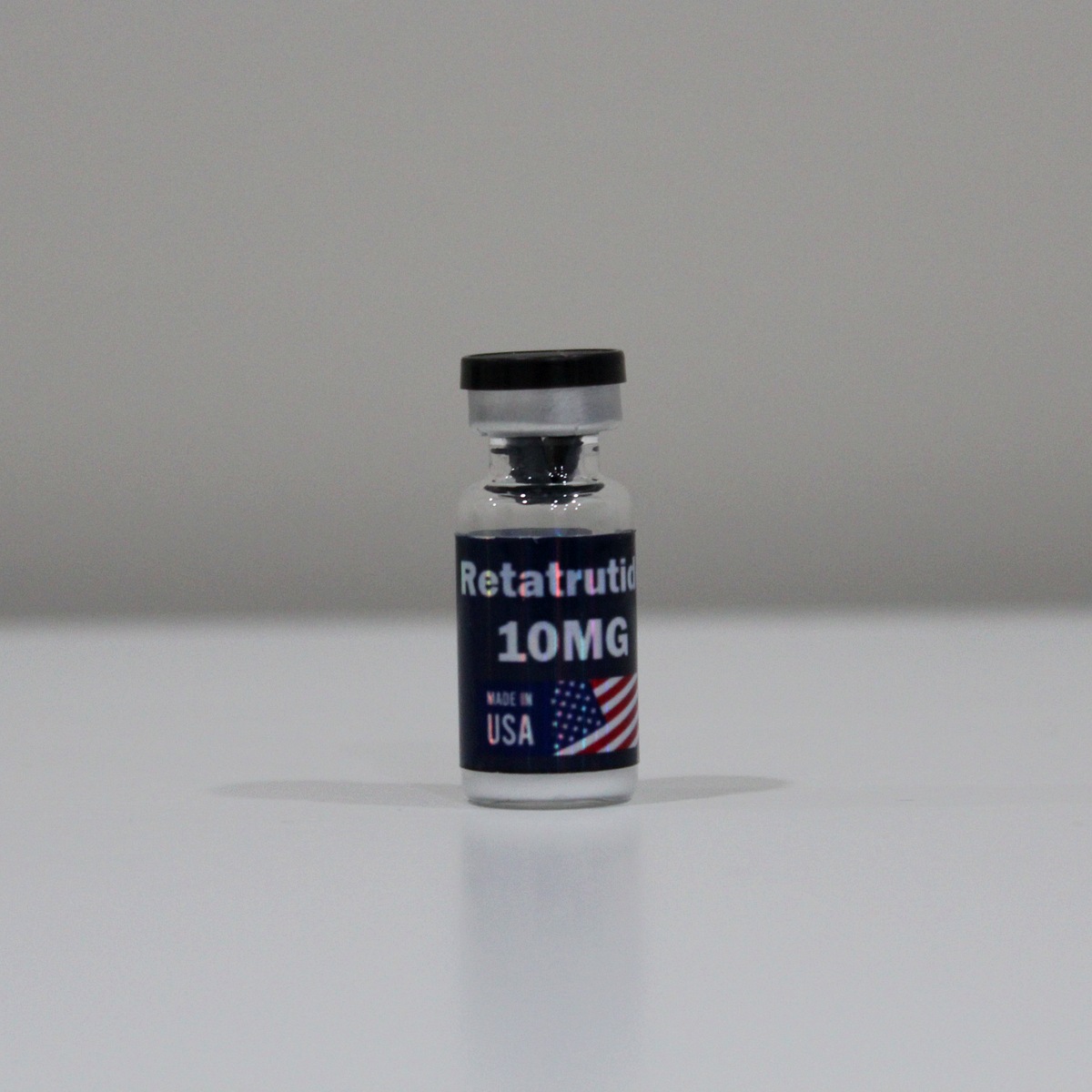
Retatrutide 10mg / 20mg Research Peptide: Mechanism, Benefits, and Scientific Overview (2026)
Meta Description
Explore Retatrutide 10mg/20mg research peptide, a triple agonist studied for metabolic and energy regulation research. Learn its mechanism, applications, and scientific importance. For laboratory use only.
Introduction
Retatrutide is one of the most advanced peptides currently being studied in metabolic science. It has gained significant attention in research communities due to its unique ability to interact with multiple hormone receptors involved in energy balance, appetite regulation, and glucose metabolism.
Retatrutide 10mg and 20mg research peptides are commonly used in laboratory settings to study complex metabolic pathways and receptor interactions. Because of its multi-target mechanism, it is often referred to as a “triple agonist” compound in scientific literature.
This article explains what Retatrutide is, how it works, and why it is becoming a key focus in modern peptide research.Retatrutide 10mg/20mg Research Peptide
What Is Retatrutide?
Retatrutide is a synthetic peptide classified as a triple receptor agonist, meaning it interacts with three important metabolic pathways:
- GLP-1 (Glucagon-like peptide-1)
- GIP (Glucose-dependent insulinotropic polypeptide)
- Glucagon receptor pathways
Retatrutide 10mg/20mg Research PeptideBy targeting all three receptors, Retatrutide allows researchers to study how these systems work together to regulate metabolism, appetite, and energy expenditure.
The 10mg and 20mg research formats are commonly used in laboratory environments for controlled experimental design and dose-response studies.
Mechanism of Action (How Retatrutide Works)
Retatrutide works by simultaneously activating multiple receptor systems involved in metabolic regulation.
GLP-1 Receptor Activity
GLP-1 pathways are studied for their role in:
- Appetite signaling
- Gastric emptying
- Insulin secretion regulation
GIP Receptor Activity
GIP signaling is investigated for:
- Insulin response modulation
- Nutrient metabolism
- Energy utilization efficiency
Glucagon Receptor Activity
Glucagon receptor activation is studied for:
- Energy expenditure
- Fat metabolism pathways
- Metabolic rate regulation
Combined Triple Agonist Effect
What makes Retatrutide unique is the synergy between all three pathways. In research models, this combined activation allows scientists to study:
- Integrated metabolic control systems
- Energy balance efficiency
- Multi-hormonal signaling interactions
Why Retatrutide Is Important in Research
Retatrutide is considered a next-generation tool in metabolic research because it expands understanding beyond single-pathway peptides.
Metabolic Research Applications
Researchers use Retatrutide to study:
- Glucose regulation systems
- Fat metabolism pathways
- Energy homeostasis mechanisms
Appetite and Satiety Studies
Retatrutide is frequently analyzed in studies related to appetite signaling and food intake regulation.
Multi-Receptor Interaction Models
Unlike earlier peptides that target one or two receptors, Retatrutide allows researchers to evaluate how multiple metabolic pathways interact simultaneously.
Retatrutide 10mg vs 20mg Research Use
Both 10mg and 20mg formats are used in controlled laboratory environments.
- 10mg vials: often used for smaller-scale or initial experimental setups
- 20mg vials: used for extended studies or multi-phase research models
Researchers choose based on study duration, dosing structure, and experimental design requirements.
Scientific Interest and Clinical Research
Retatrutide has gained attention due to early-stage clinical research showing strong metabolic effects. Studies have investigated its role in:
- Weight regulation pathways
- Insulin sensitivity models
- Energy expenditure mechanisms
Because it is still under investigation, it remains strictly a research compound and is not approved for medical or human use.
Importance of Quality in Peptide Research
In peptide-based studies, purity and consistency are critical for accurate results.
When sourcing Retatrutide 10mg/20mg, researchers prioritize:
- ≥98% purity standards
- Third-party COA verification
- Sterile manufacturing conditions
- Proper cold-chain handling
High-quality peptides help ensure reproducible and reliable research outcomes.
Storage and Handling Guidelines
To maintain peptide stability in laboratory settings:
- Store lyophilized powder at low temperatures
- Avoid repeated freeze-thaw cycles
- Reconstitute only when needed for experiments
- Use sterile techniques during handling
Proper storage helps preserve molecular integrity for research accuracy.
Regulatory and Research Use Disclaimer
Retatrutide 10mg/20mg is intended strictly for laboratory research use only.
It is:
- Not approved for human consumption
- Not intended for medical or therapeutic use
- Restricted to qualified research environments
All handling must comply with applicable research regulations.
Frequently Asked Questions
What is Retatrutide used for in research?
It is studied for metabolic pathways, appetite regulation, and energy balance mechanisms.
Why is Retatrutide called a triple agonist?
Because it activates GLP-1, GIP, and glucagon receptors simultaneously.
What is the difference between 10mg and 20mg?
They refer to total peptide quantity per vial used in different experimental setups.
Is Retatrutide FDA approved?
No, it is still in clinical research stages and not approved for general medical use.Retatrutide 10mg/20mg Research Peptide
Conclusion
Retatrutide 10mg and 20mg research peptides represent a major advancement in metabolic science. By targeting three key hormonal pathways simultaneously, it allows researchers to study energy regulation and metabolic function in a more integrated way than previous peptide compounds.
As research continues to evolve, Retatrutide is expected to remain a key focus in the study of metabolic systems and hormone signaling interactions.
Explore high-purity Retatrutide 10mg/20mg research peptide at Palmetto Peptides Lab for laboratory research purposes.
Reviews
There are no reviews yet.