

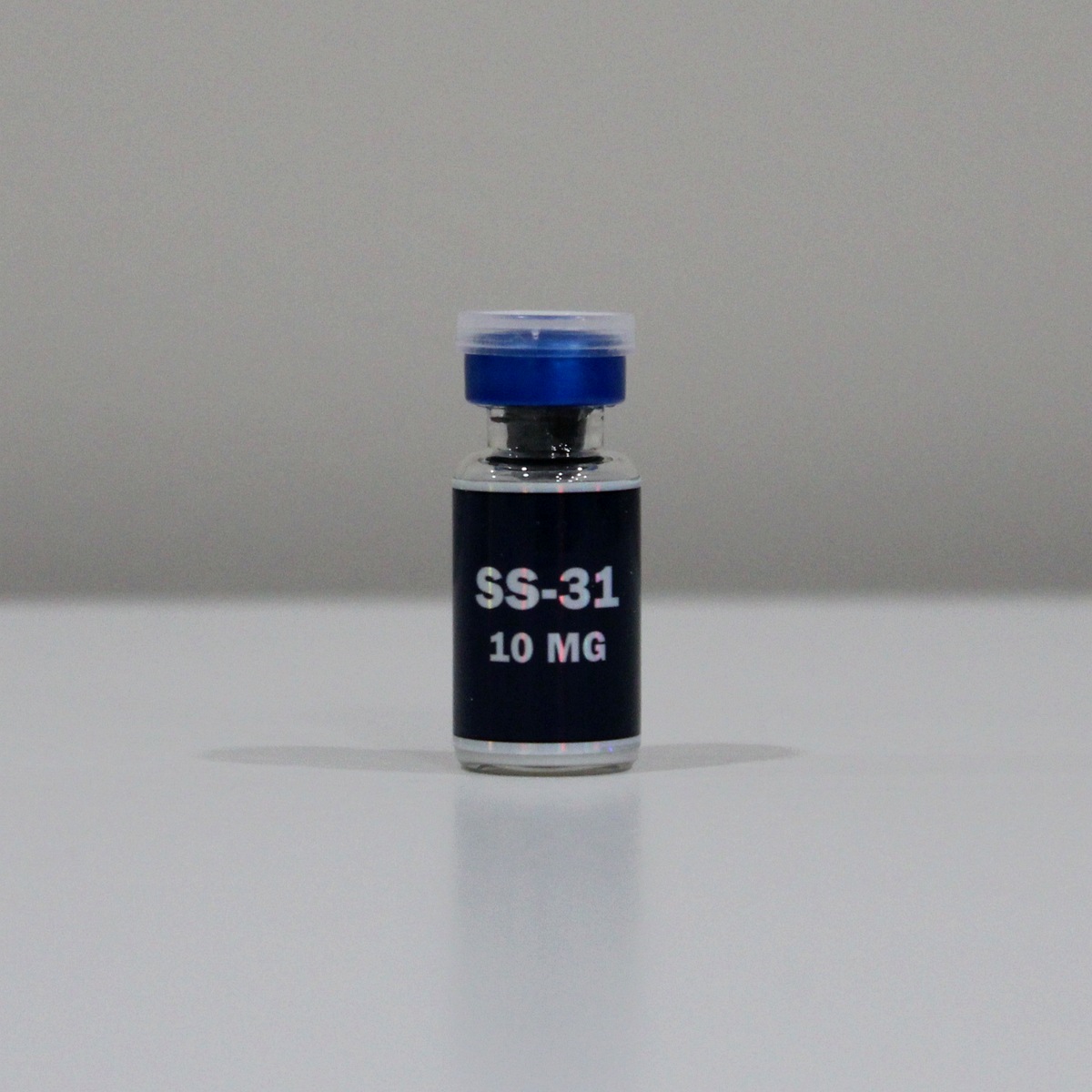
SS-31 10mg (Elamipretide) Research Peptide for Advanced Mitochondrial and Cellular Research
Meta Description
Explore SS-31 (Elamipretide) 10mg research peptide, studied for mitochondrial function, cellular energy production, and oxidative stress research. For laboratory use only.
Introduction
SS-31, also known as Elamipretide, is a mitochondria-targeting peptide that has gained significant attention in cellular and bioenergetic research. It is widely studied for its ability to interact with mitochondrial membranes and support research into cellular energy production and oxidative stress pathways.
SS-31 10mg research peptide is commonly used in laboratory environments to investigate mitochondrial function, cell survival mechanisms, and energy metabolism. Because mitochondria play a central role in nearly all biological processes, SS-31 has become an important compound in modern cellular research. SS-31 10mg (Elamipretide) Research Peptide
This article explains what SS-31 is, how it works, and why it is widely studied in scientific research.
What Is SS-31 (Elamipretide)?
SS-31 (Elamipretide) is a synthetic tetrapeptide designed to target and interact with the inner mitochondrial membrane. It is classified as a mitochondria-targeting peptide and is primarily used in research to study cellular energy systems.
In laboratory settings, SS-31 10mg is studied for its effects on:
- Mitochondrial membrane stability
- Cellular energy production pathways
- Oxidative stress regulation
- ATP synthesis efficiency
Because mitochondria are responsible for producing cellular energy, SS-31 is widely used in studies involving bioenergetics and cellular health models.
Mechanism of Action (How SS-31 Works)
SS-31 works by selectively targeting mitochondria and interacting with specific phospholipids in the inner mitochondrial membrane.
Mitochondrial Membrane Interaction
SS-31 binds to cardiolipin, a key phospholipid in the inner mitochondrial membrane. This interaction helps researchers study how mitochondrial structure influences cellular energy production.
Energy Production Research
By stabilizing mitochondrial membranes in research models, SS-31 is studied for its role in:
- ATP production pathways
- Electron transport chain efficiency
- Cellular energy regulation
Oxidative Stress Studies
SS-31 is also used in research focused on oxidative stress, where scientists investigate how cells respond to reactive oxygen species (ROS) and mitochondrial dysfunction.
Why SS-31 Is Important in Research
SS-31 is widely studied due to its unique ability to target mitochondria directly, making it valuable in a variety of scientific fields.
Mitochondrial Function Research
Researchers use SS-31 to study:
- Mitochondrial efficiency
- Cellular respiration processes
- Energy metabolism regulation
Cellular Aging Studies
Mitochondrial function is closely linked to cellular aging. SS-31 is often used in research models investigating age-related cellular decline and energy production efficiency.
Bioenergetics Research Applications
SS-31 plays a key role in bioenergetics studies focused on how cells produce, regulate, and utilize energy.
SS-31 10mg in Laboratory Settings
The 10mg format is commonly used in research environments because it allows for:
- Controlled experimental dosing
- Reproducible mitochondrial studies
- Multi-phase cellular research designs
- Extended bioenergetic experiments
Researchers select SS-31 10mg based on study design and required concentration levels.
Importance of Quality in Peptide Research
In mitochondrial and cellular research, peptide quality is critical for reliable results.
When sourcing SS-31 (Elamipretide), researchers prioritize:
- ≥98% purity standards
- Third-party COA verification
- Sterile manufacturing processes
- Proper peptide stabilization
High-quality peptides ensure consistent experimental data and reproducible results.
Storage and Handling Guidelines
To maintain peptide integrity in laboratory environments:
- Store lyophilized powder in a cool, dry place
- Avoid repeated freeze-thaw cycles
- Reconstitute only when needed
- Use sterile laboratory techniques
Proper handling ensures molecular stability and accurate research outcomes.SS-31 10mg (Elamipretide) Research Peptide
Compliance and Research Use Only Notice
SS-31 (Elamipretide) 10mg is intended strictly for laboratory research purposes only.
It is:
- Not approved for human consumption
- Not intended for medical or therapeutic use
- Restricted to qualified research environments
All use must comply with applicable research regulations and institutional guidelines.
Frequently Asked Questions
What is SS-31 used for in research?
It is used to study mitochondrial function, energy production, and oxidative stress pathways.SS-31 10mg (Elamipretide) Research Peptide
What is Elamipretide?
Elamipretide is another name for SS-31, a mitochondria-targeting peptide.
Why is SS-31 important in research?
Because it directly targets mitochondria, which are essential for cellular energy production.
What does the 10mg mean?
It refers to the total peptide quantity per vial used in laboratory experiments.
Conclusion
SS-31 (Elamipretide) 10mg research peptide is a powerful tool in mitochondrial and cellular research. Its ability to target the inner mitochondrial membrane makes it highly valuable for studying energy production, oxidative stress, and cellular function.
As research in bioenergetics continues to expand, SS-31 remains one of the most important peptides for understanding mitochondrial health and cellular energy systems.
Explore high-purity SS-31 10mg (Elamipretide) research peptide at Palmetto Peptides Lab for laboratory research purposes only.

Reviews
There are no reviews yet.